About Our Research
Our reach involves a multi-faceted approach with cellular mechanics, multi-agent coordination of mini-auv systems and lastly applied quantum computing. The goal of our research is understand the complexity employing cellular mechanics with advanced microscopy and advanced research in this topic. Lastly, we aim to enable safer and more efficient inspection of submerged vessel hulls, port infrastructure, and bridge foundations.
Cellular Mechanics
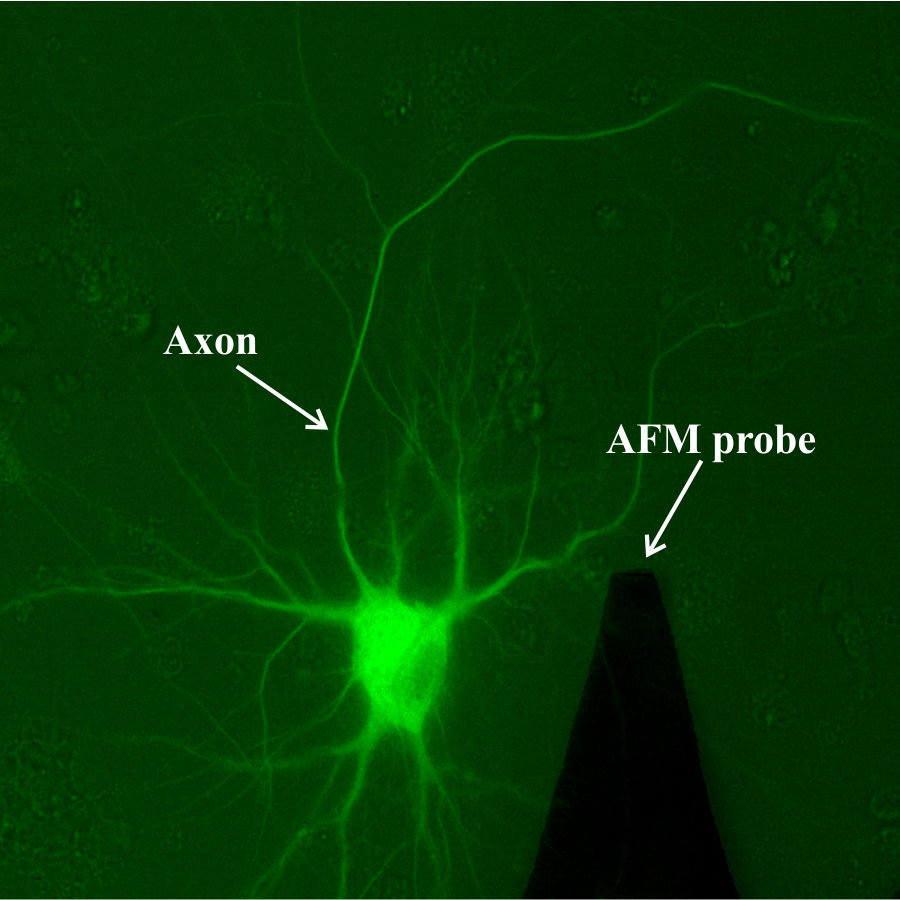
We integrate advanced microscopy, force measurements, and coarse-grained molecular dynamics to understand how membrane and cytoskeletal organization shape the mechanics of neurons and red blood cells, focusing on cell deformation, adhesion, protein diffusion, and cytoskeletal stability in health, disease, and injury. The goal of the research is understand how to employ mechanics with advanced microscopy and advanced research in this topic.
Multi-Agent Coordination of Mini-AUV Systems
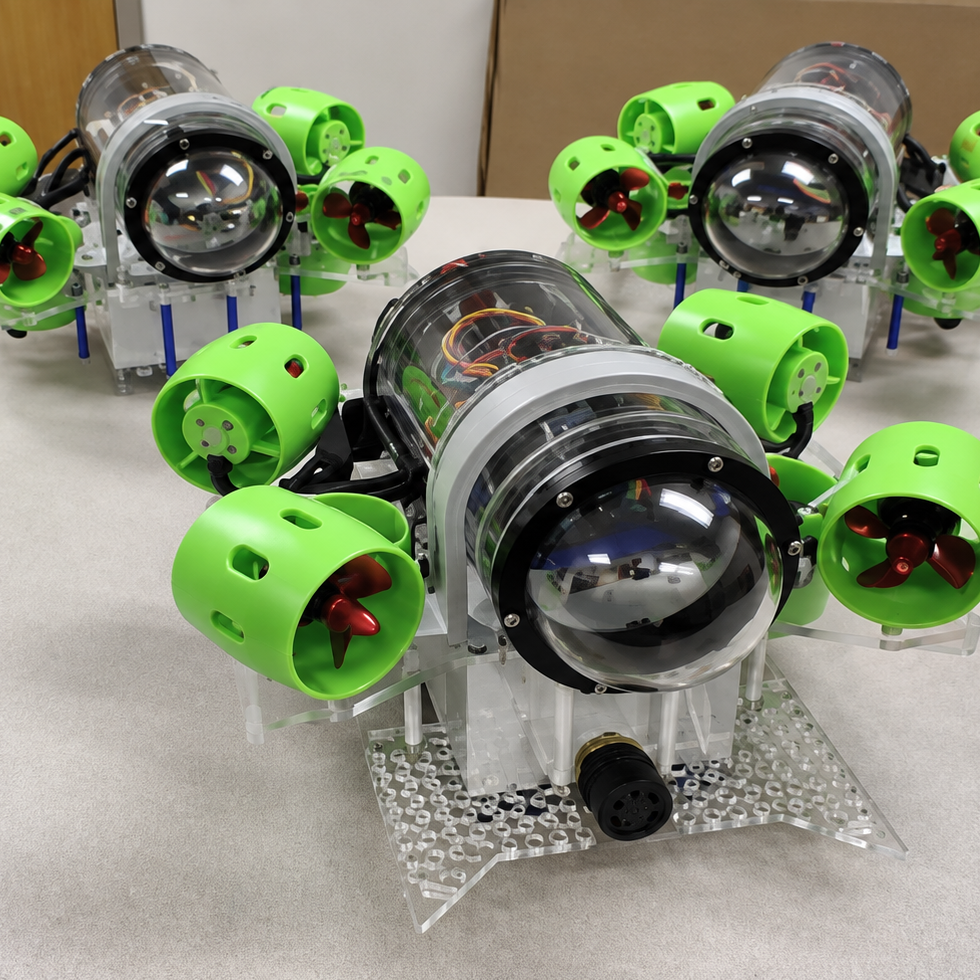
We design and build compact mini-AUVs, combining computer vision and deep reinforcement learning to advance autonomous underwater navigation and multi-agent coordination. Our work integrates simulations, underwater experiments, and docking-system development to advance cooperative underwater robotics. We aim to enable safer and more efficient inspection of submerged vessel hulls, port infrastructure, and bridge foundations.
Applied Quantum Computing
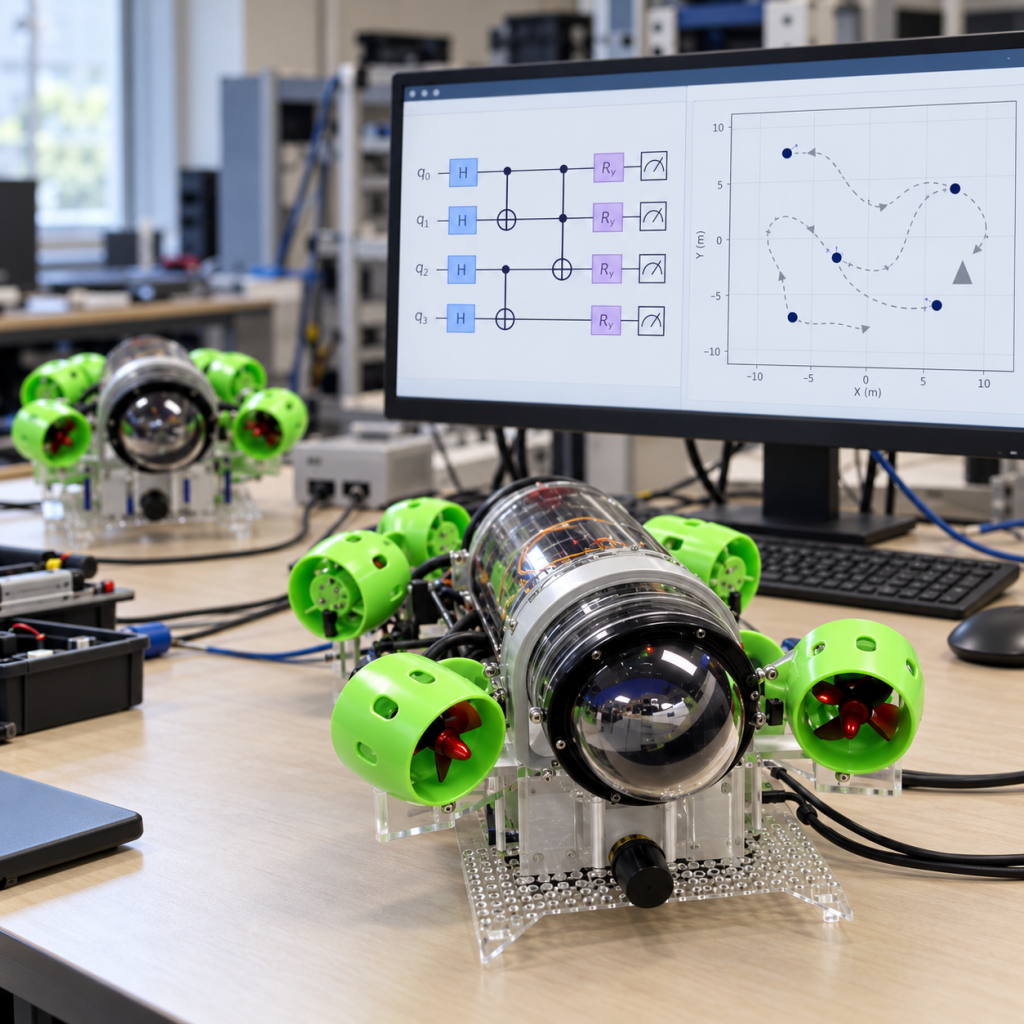
We apply quantum computing algorithms to underwater robot swarms and time-series data classification. Our research examines how local decisions and interactions generate collective movement, target search, and exploration. In addition, we investigate QRC for classifying electroencephalogram (EEG) recordings in studies of epilepsy and mild traumatic brain injury. We also explore how QRC can help explain and predict the behavior of agent swarms, such as groups of autonomous robots.
Want to Learn More?
Visit our GitHub Repository